
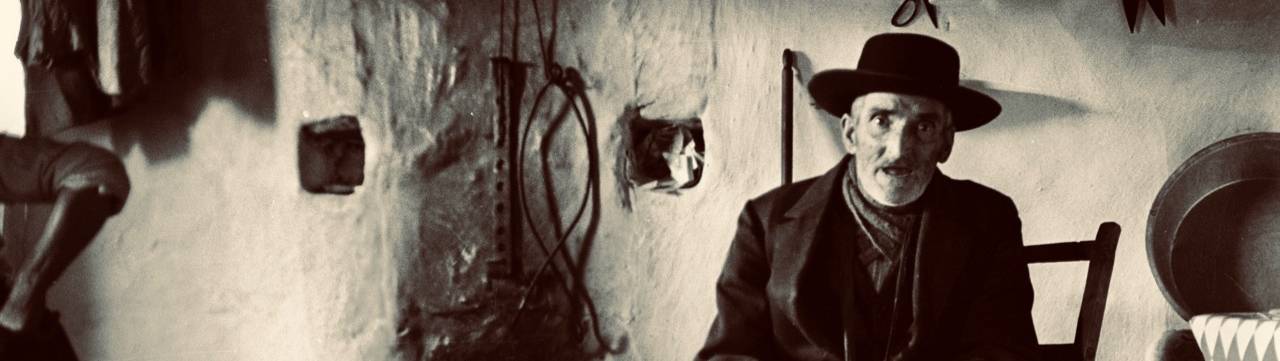
Translated by Garry Bannister and David Sowby, Kindle £2.99 (NB there are other translations, but it seems they have been bowdlerised; this one is unabridged). This memoir of the harsh life in the remote Blasket islands, off the Dingle peninsula of west Ireland, brings home the extreme poverty of life there at the end of the nineteenth century. A particular interest for me was the account of salvage from several shipwrecks, which it seems went a long way to help the islanders survive. Wood, oil, tea and long brass rods were all amongst the goods salvaged. There was a terrible cost sometimes; one story is of 21 men lost in a boat that sank under the weight of salvage. It was said another boat refused to rescue any of them. The islanders’ ways were rough, and Tomas had many a beating as a boy. I was particularly interested as my grandfather salvaged silver from a wreck, which I had thought may have been the Quebra. Fishing was important, but unlike in Cornwall, pilchards were not salted for export. Porpoise was salted for home use, as was seal, and a seal hunt is described in detail. Rabbits were hunted regularly; it was almost a hunter gatherer existence. Sheep and pigs were used to pay rent, sometimes after a fight with the bailiff. There are descriptions of drunken wedding and other fights, including fights between women. A dancing class failed because no one would pay. The picture of relationships is fairly bleak, but other books on the islands are more positive. There are richly described incidents and characters, and, schooling being spasmodic, for a boy it must have been a freewheeling life, though Tomas was terrified of his mother. Visits to the mainland were few, often in corrachs. Inevitably, migration to the mainland, and above all America, drained the islands’ population. Unsurprisingly the islands were finally evacuated by the authorities in the fifties. The narrative isn’t always totally clear; it’s a catalogue of incident, not always chronological, with recollections of tales told by old men as well as personal experience. There is little on Tomas’ own immediate family, wife and children, and many tragic deaths. Tomas doesn’t have a high opinion of his fellow islanders, despite being related to all of them. I found what I was particularly looking for, an account of the loss of the steamship Quebra in WW1 (for details see my piece on the Chugg family in SWS 102). The wreck is mentioned, and how it greatly benefitted the islanders, but there is no mention of any salvage by a diver from a ketch, so I have new doubts it was indeed the Quebra carrying the silver salvaged by my grandad. This salvage would hardly have escaped mention. Those who have visited the islands say they are outstandingly beautiful. There is little sense of this in this narrative. Life improved somewhat after Irish independence, with some investment in housing. In later life Tomas was much involved in the promotion of Gaelic, and was encouraged to write. I recommend this as a window into an utterly vanished way of life.
Jonathan Seagrave