Devon’s Maritime History in the 1920s: Change, progress and decline
£15.00
Join us on April 20th at the Rolle Building, Plymouth University for a Symposium about Devon’s maritime heritage in the 1920s. You’ll hear 7 talks on a wide variety of topics given by experts in their field, covering leisure sailing, fishing, dockworking in both North and South Devon, as well as the work of the Marine Biology Research group. Scroll down for details.
The entry price includes hot drinks on arrival, members of Devon History Society benefit from a £2.50 reduction on the full price of £15, Members of Devon History Society or the Devon in the 1920s project benefit from a £2.50 reduction on the full price of £15 on presentation of a discount code which they can obtain from Julia Neville, Devon in the 1920s Project Manager, by emailing j.f.neville@btinternet.com. Members of SWMHS will already see this reduction to £12.50 which is applied automatically.
Out of stock
Description
South West Maritime History Society together with Devon History Society present a symposium of illustrated talks examining Devon’s maritime history in the 1920s
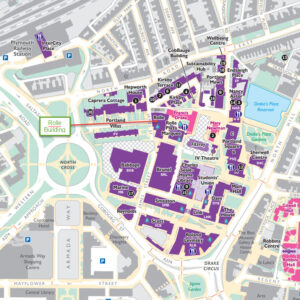
The symposium will be held at the Rolle Building, Plymouth University, on April 20th 2024.
10:00-10:20 am Coffee, tea and biscuits
Join us for a coffee, meet up with friends and get settled in!
10:20-11:00 am The growth of yachting in Devon in the interwar years
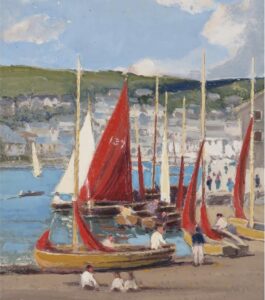
Dr Michael Bender, author of a New History of Yachting, will present the main trends of interwar yachting and dinghy sailing in the SW and how they arrived at that point in time: the major forms of leisure sailing; the organisational/social forms- the yacht clubs, the West of England Dinghy Racing Conference etc.; its socio-cultural position in terms of class and gender and its cultural “products” – writing, painting etc.
11:15-11:45 am: Fishing in Brixham and Plymouth in the 1920s
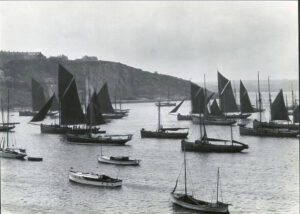
Dr Julia Neville, Project Manager of ‘Devon in the 1920s‘, will compare fishing in Brixham and Plymouth. Extensive losses during the First World War reduced capacity and, coupled with pre-war reluctance to adopt steam-power, meant that in the 1920s the industry struggled and young people in fishing families sought alternative employment.
11:45-12:15 pm The Tamar barge fleet in the 1920s
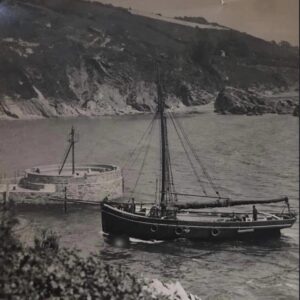 Clive Charlton, Lecturer, Plymouth University and member of SWMHS, will review the last decade in which significant numbers of Tamar barges were in commercial operation. It was a period of transition, during which trends already under way before 1920 accelerated. Many barges were abandoned, a few were wrecked, although some survived beyond the decade, sometimes having been turned to new uses.
12:15-12:45 pm The Torridge in the 1920s
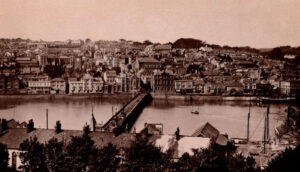 In 1881, due to a downturn in trade, Bideford lost its port status. Forty-seven years later, in 1928, Bideford regained that port status. Examining how this could happen, Devon in 1920s researcher, Mike Teare, looks at the changes in maritime activity that took place along the river Torridge during the decade.
Time for questions and reflections, will be followed by lunch (BYO, or there are plenty of places within easy reach of the building)
14:15-14:45 pm Devonport Dockyard’s Workforce in the 1920s
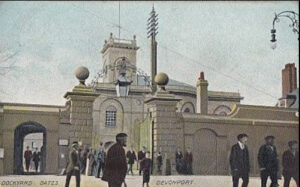
The paper from Jonathan Wood, Plymouth-based historian, will examine the post -1918 reductions of the Dockyard workforce. It will consider Dockyard workers’ experience of insecurity and their unions’ responses, the Whitley Councils, and the tensions between the workforce’s priorities-job security, stable earnings- and the Admiralty’s military priorities.
14:45-15:15 pm Coal lumpers and labour relations in Dartmouth during the 1920s
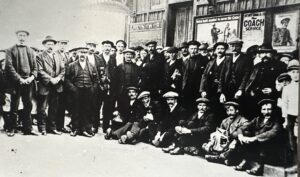 Jonathan Turner, Chair of South West Maritime History Society, will present the a review of the lives of Dartmouth coal lumpers and their familes. It will focus on labour relations in the port in the early 1920s, when simmering resentment turned into a bitter strike that lasted for some months, causing great hardship in the town. Eventually they settled with the coal companies, but for much less than they had hoped for.
15:15-15:45 pm The Work of the Marine Biological Association in the 1920s
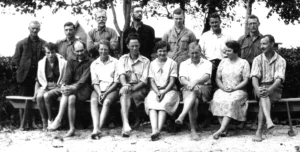
Carol Giles of the Marine Biological Association (MBA) will describe the origins of the MBA and its Citadel Hill Laboratory before focusing on the 1920s. She will discuss the scientists involved, the MBA’s contribution to national fisheries policy and university education, and its impact on the local area.
Time for questions and reflections, before closing at 15:45 pm
If you’d like to join us, scroll back to the top of the page to buy your ticket!
The talks will be held at the Rolle Building, Plymouth University see here for directions and other details